
Timing is everything
The Minnesota planting calendar
Updated October 2026
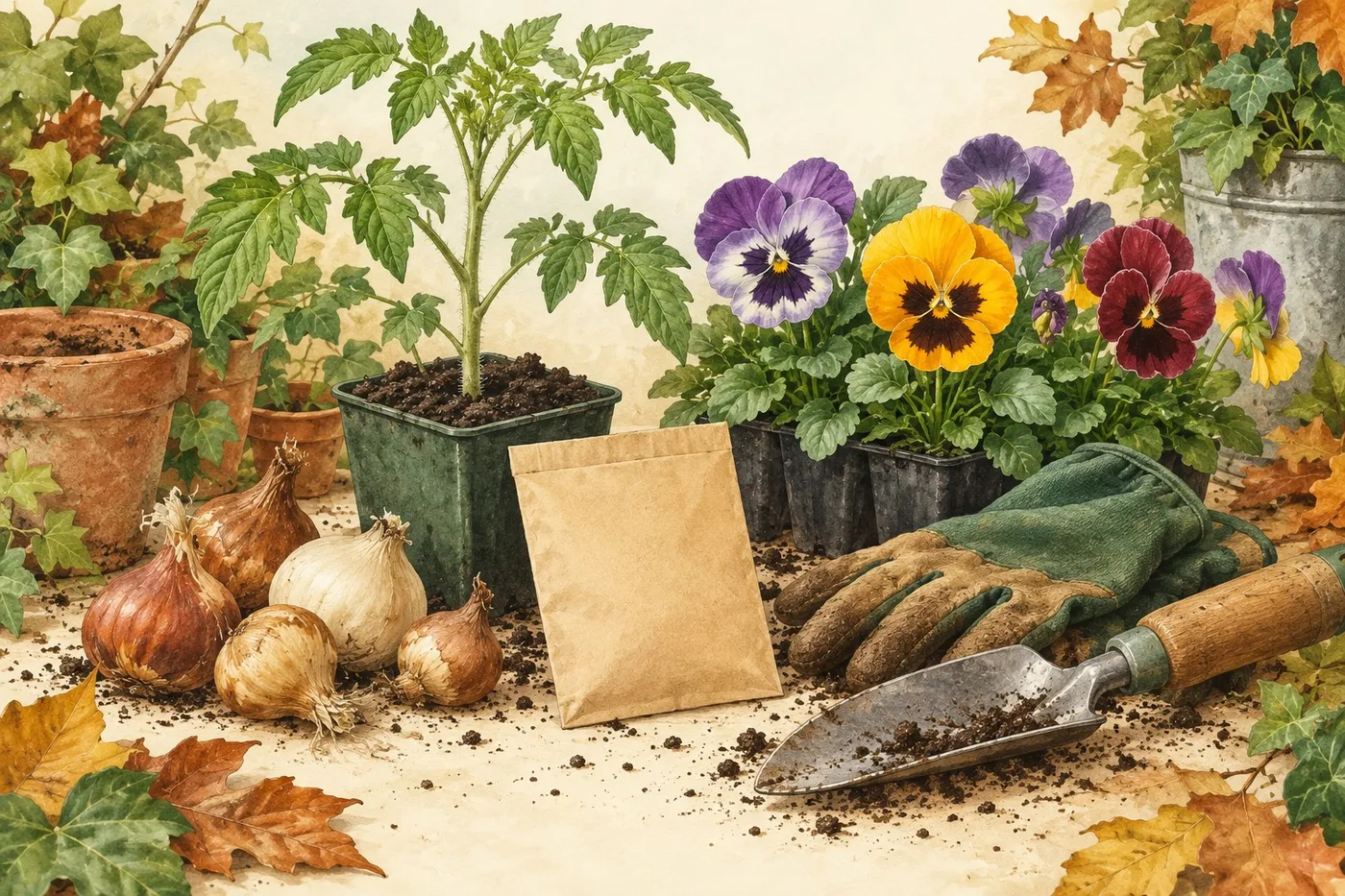
In the north metro, plant pansies and cool-season vegetables in April, as soon as the soil can be worked. Wait until mid-to-late May, after the last frost, for annuals and hanging baskets, and until late May for tomatoes and peppers, once nights stay above 50°F. Perennials go in from spring through June or from September to mid-October. The growing season runs from about mid-May to early October, roughly 140 frost-free days.
Minnesota gardening is a timing game — the growing season is short, but it's absolutely long enough if you play the calendar right. Here's the whole year at a glance, then the season-by-season version.
Planting this week? Our Is it safe to plant yet? page checks the forecast for East Bethel against tomatoes, peppers, annuals and more.
What to plant, month by month
For the north metro, including East Bethel, Ham Lake, Andover and Blaine. A cold spring can push everything a week or two later.
| Month | What to plant |
|---|---|
| January | What to plantPlan beds and order seeds. Houseplants are the only thing growing. |
| February | What to plantStart onions and celery indoors. |
| March | What to plantStart peppers indoors in mid-March and tomatoes from late March. Our retail season opens the last Friday in March. |
| April | What to plantOnce the soil can be worked: pansies, flowering kale, and cool-season vegetables like peas, spinach, lettuce, radishes, onions, potatoes and broccoli. Perennials, trees and shrubs can go in as soon as the ground thaws. |
| May | What to plantAfter the last frost, usually mid-to-late May: annuals, hanging baskets and containers. Tomatoes, peppers and other heat lovers go out late in the month, once nights stay above 50°F. |
| June | What to plantFinish planting annuals and vegetables. Still a good month for perennials, trees and shrubs. |
| July | What to plantMostly maintenance. In mid-July, sow carrots, beets and broccoli for a fall harvest. Skip planting trees and shrubs in the hottest, driest weeks unless you can water every few days. |
| August | What to plantSow spinach, lettuce, radishes and turnips for fall through early to mid-August. Late August starts the fall window for trees and shrubs. |
| September | What to plantMums go in by early September if you want them back. Prime time for perennials, trees, shrubs and spring bulbs. |
| October | What to plantPerennials until mid-October, spring bulbs and garlic before the ground freezes. Average first frost comes in early October. |
| November | What to plantKeep watering evergreens and new plantings until the ground freezes, then mulch tender perennials. |
| December | What to plantNothing goes in the ground. Plan next year’s garden, and see our gift ideas for gardeners. |
Late winter — January through March
The garden's asleep; the gardener shouldn't be. Plan beds, order seeds, and start the slow growers indoors — onions and celery in February, peppers and tomatoes in March. (Meanwhile, we're seeding thousands of trays in the greenhouses so you don't have to.)
Spring — April into mid-May
Cool lovers go first: pansies, flowering kale, and cold-tolerant veggies like broccoli and spinach can handle April's mood swings. Everything else waits for the frost line. Around here the average last frost lands mid-May — Mother's Day is the folk rule — but "average" means half of all years see frost after that. Watch the forecast, and keep a frost blanket handy through Memorial Day.
Planting season — mid-May through June
The main event. Annuals, hanging baskets, and containers go out once frost danger passes; tomatoes, peppers, and other heat lovers want nights reliably above 50°F, usually late May. Perennials and shrubs can go in any time the ground is workable — spring planting gives them the longest runway (our zone guide covers picking ones that will actually come back).
Summer — June through August
Now it's maintenance: deep watering, regular feeding for containers, deadheading for rebloom, and the famous July haircut for leggy baskets. Mid-summer is also prime time to see plants at full size before you buy — the benches don't lie in July.
Fall — September and October
Mums hit the benches in late summer for months of color. Perennials still have time: September through mid-October is the comfortable planting window, about six weeks before the ground freezes (more in is it too late to plant perennials?). Then cleanup: cut back what's diseased, leave seed heads and stems for the birds and pollinators, plant spring bulbs before the ground locks, and mulch tender perennials after the ground freezes, not before.
When to plant perennials in Minnesota
The short answer is spring or early fall. Spring planting, from late April once the soil can be worked through June, gives perennials the longest runway before their first winter. Potted perennials can go in all summer too, as long as you water them through hot spells.
In fall, September through mid-October is the comfortable window, about six weeks before the ground freezes. Tough, fully hardy perennials can go in later than that if you water them in well and mulch them after the freeze. Two exceptions: plants rated zone 5 or warmer are safer planted in spring (our zone guide explains the ratings), and garden mums should be in the ground by early September if you want them back next year (will my mums come back?).
What’s on our benches, season by season
Common questions
What can I plant right now in Minnesota?
It depends on the month. In April, pansies and cool-season vegetables like peas, spinach and lettuce. From mid-to-late May, annuals, hanging baskets, and then tomatoes and peppers once nights stay above 50°F. In September and early October, perennials, trees, shrubs, spring bulbs and garlic. In winter, start seeds indoors. The month-by-month table above has the details.
When is the last frost in Minnesota?
Around East Bethel and the north metro the average last frost is mid-May, and Mother’s Day is the folk rule. “Average” means about half of all years see frost after that, so keep a frost blanket handy through Memorial Day. Our Is it safe to plant yet? page checks this week’s forecast for you.
When is the first frost in the fall?
The average first frost in the north metro is early October, and low spots and open lawns often get it sooner. Sign up for our free frost alerts and we’ll email you on afternoons when frost is forecast.
When can I plant tomatoes and peppers outside?
Late May, once nights stay reliably above 50°F, which is usually around Memorial Day. The soil is still cold in early May even when the air feels warm, and cold soil stalls tomatoes for weeks.
When can I plant annuals and hanging baskets?
Once frost danger passes, usually mid-to-late May. Pansies, violas and flowering kale are the exception: they handle frost and can go out in April.
When should I start seeds indoors?
Onions and celery in February, peppers in mid-March, and tomatoes from late March to early April, about six to eight weeks before planting out. Our seed-starting guide covers lights and timing.
Is it too late to plant perennials?
Not until mid-October. After that, tough, hardy potted perennials can still go in until the ground freezes if you water them in and mulch them after the freeze. See is it too late to plant perennials?
When is the best time to plant trees and shrubs?
Spring, once the ground thaws, through June, and again from late August into early October once the summer heat breaks. Avoid the hottest, driest weeks of July unless you can water every few days, and water new trees and shrubs deeply once a week through their first season, right up until the ground freezes. For fall plantings, see getting new shrubs through their first winter.
How long is the growing season in Minnesota?
In the north metro it runs from about mid-May to early October, roughly 140 frost-free days. That’s why starting seeds indoors and buying started plants matters so much here.