
Pollinators
Plants for hummingbirds in Minnesota
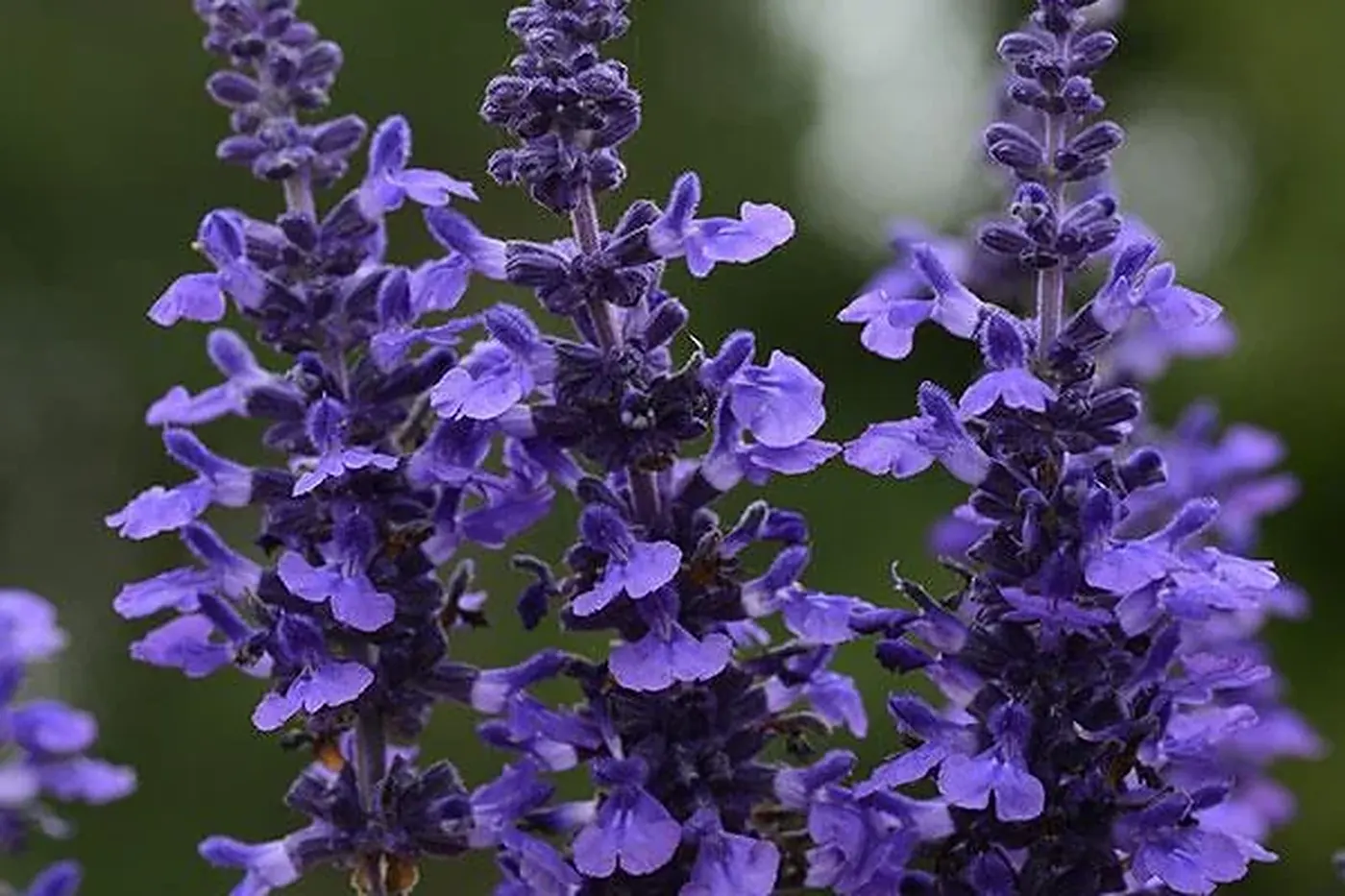
Ruby-throated hummingbirds are in Minnesota from early May to late September, and they go for tubular flowers in red, orange and pink. Plant salvia, cuphea, fuchsia, lantana, pentas and petunias among the annuals, and bee balm, columbine, penstemon, cardinal flower, coral bells and phlox among the perennials. A fuchsia basket by the window and a red salvia by the deck will have them visiting daily by June.
A hummingbird eats half its weight in nectar every day and visits a thousand flowers to do it, so a yard with the right plants gets regular traffic. The good news is that most of what they love is already on our benches, and none of it has been sprayed, which matters: hummingbirds also eat small insects, and a yard without insecticides has more of both.
The hummingbird calendar for the north metro
| When | What’s happening | What should be blooming |
|---|---|---|
| Late April – early May | What’s happeningFirst males arrive, often before the trees leaf out | What should be bloomingColumbine, bleeding heart, early fuchsia baskets, a feeder |
| June | What’s happeningNesting; females feeding constantly | What should be bloomingSalvia, penstemon, coral bells, petunias, bee balm starting |
| July – August | What’s happeningYoung birds out; peak visits | What should be bloomingBee balm, cuphea, lantana, cardinal flower, phlox, zinnias, pentas, salvia |
| September | What’s happeningMigration; birds from the north pass through and feed hard | What should be bloomingSalvia (Black & Blue is at its best now), cuphea, lantana, fuchsia, a clean feeder |
Annuals for hummingbirds
Annuals bloom nonstop from June to frost, which is exactly what a hummingbird needs. These are the ones we see them on in our own houses:
Perennials for hummingbirds
Perennials give you the early-May and September bookends and come back every year. Plant a few of each so something is in bloom from the week they arrive to the week they leave:
Setting up the yard
- Plant in groups, in the open. Three or five of a kind in a sunny spot they can see from the air, not one plant hidden under a shrub. Hummingbirds patrol a circuit and return to what paid off.
- Put something by the window. A fuchsia or cuphea basket under the eave, or a pot of salvia on the deck rail, brings them within arm’s length.
- Skip the sprays. Hummingbirds feed insects and spiders to their young, and they take nectar from flowers that have been treated. Everything we grow is raised without synthetic pesticides; keep it that way at home. Our pest guide covers the alternatives.
- Add water and perches. A mister or dripper over a birdbath, and a thin dead branch or a clothesline where they can sit and watch. They spend most of the day perched.
- Keep the feeder clean. One part sugar to four parts water, boiled and cooled, no dye. Change it every two or three days in summer heat; a cloudy feeder is a sick feeder.
Common questions
When do hummingbirds arrive in Minnesota?
Ruby-throated hummingbirds, the only kind that nests here, reach the Twin Cities in the first week or two of May and leave in mid-to-late September. Have columbine, fuchsia or a feeder out by May 1 and they find you; keep the salvia and cuphea going through September for the migration south.
What flowers attract hummingbirds the most?
Tubular flowers in red, orange and pink: salvia (especially Black & Blue and the red Rockin’ types), cuphea, fuchsia, bee balm, columbine, penstemon, cardinal flower and honeysuckle. They also work lantana, petunias, zinnias, pentas and coral bells. Fragrance doesn’t matter to them; shape and color do.
What is the best hummingbird plant for a hanging basket?
Fuchsia, hands down, in part shade, and cuphea (Vermillionaire) or a red-and-blue salvia in sun. A fuchsia basket by a window brings hummingbirds to the glass. Calibrachoa and petunia baskets get visits too.
Do I need a feeder if I have the plants?
No, but one helps in early May before much is blooming and again in September. Mix one part plain white sugar to four parts water, no red dye, and clean the feeder every two or three days in hot weather. Mold in a dirty feeder does more harm than no feeder at all.