
Perennials & shrubs
Perennials for clay soil in Minnesota
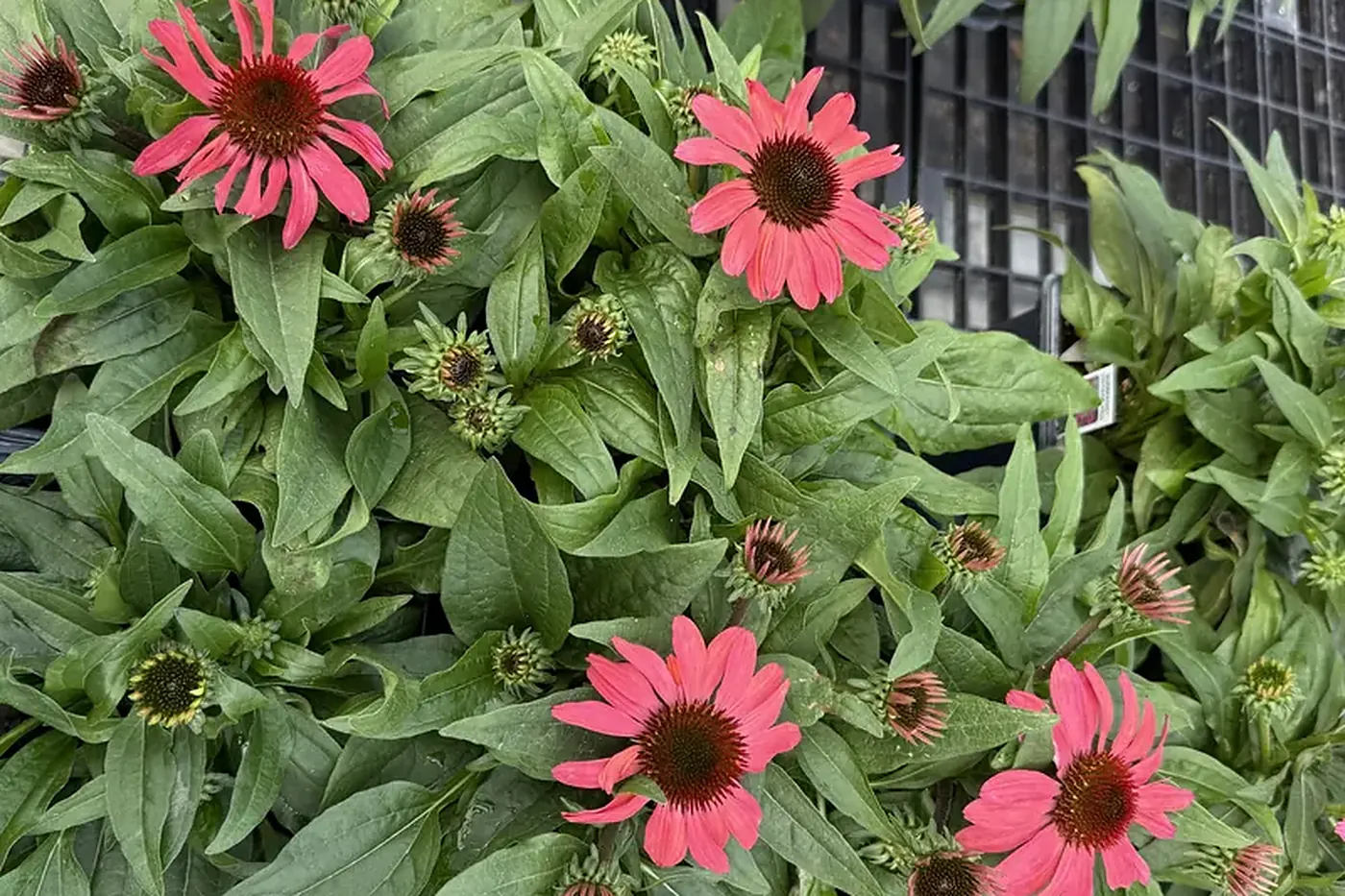
Clay soil is heavy, slow to drain and hard to dig, but a lot of the best Minnesota perennials grew up on it. Plant coneflowers, black-eyed Susans, daylilies, bee balm, Joe Pye weed, swamp milkweed, blazing star, false indigo and switchgrass in sun, and hostas, astilbe, ligularia and hardy geranium in shade. Add compost, never sand, plant slightly high, and skip the lavender.
Our own ground in East Bethel is Anoka sand, and we wrote a guide for it. But a lot of our customers garden on the other kind of soil: the clay subsoil left behind in newer subdivisions when the topsoil was scraped off, and the heavy ground across the west and south metro. Clay holds water and nutrients well, which is its virtue. The trouble is that it holds too much water in spring and sets like brick in August.
Perennials that like heavy soil
For sun
For shade and part shade
Plants to keep out of clay
The prairie and Mediterranean plants that want their roots dry in winter rot in clay: lavender, Russian sage, butterfly weed, blanket flower, ice plant, yucca, most sedums, thyme and creeping phlox. If you love them, grow them in a raised bed with a sandy mix, on a slope, or in pots. Swap butterfly weed for swamp milkweed, blanket flower for coneflower, and lavender for catmint, and you get the same look without the losses.
Improving clay (the slow, right way)
- Don’t add sand. Sand plus clay is how adobe is made. The fix for clay is organic matter, not grit.
- Work in compost at planting. Two to three inches of compost over the bed, dug or forked into the top 8 inches. Do it when the soil is moist, not wet; digging wet clay smears it into a pan.
- Plant slightly high. Set the crown of each perennial an inch above the surrounding grade, so water drains away from it in spring instead of pooling on it.
- Mulch every year. Two inches of shredded bark, shredded leaves or compost each fall. Worms pull it down; in three or four years the top foot is crumbly.
- Stay off it when it’s wet. Walking on wet clay compacts it. Put stepping stones in big beds and do spring cleanup from the path.
- Water less often, more deeply. Clay holds water. Once plants are established, a deep soak once a week in dry weather beats a daily sprinkle, which keeps the surface sealed and the roots shallow.
Shrubs that take clay
Among the shrubs we grow, smooth and panicle hydrangeas, ninebark and weigela all handle heavy soil. Red-twig dogwood, serviceberry and black chokeberry are the native shrubs for clay and wet spots; see best shrubs for Minnesota yards.
Common questions
What perennials grow well in clay soil?
Coneflowers, black-eyed Susans, daylilies, bee balm, Joe Pye weed, swamp milkweed, blazing star, turtlehead, obedient plant, false indigo, switchgrass and little bluestem all thrive in heavy soil. For shade: hostas, astilbe, ligularia and hardy geranium. Most are Minnesota natives that evolved on exactly this ground.
Should I add sand to clay soil?
No. Clay plus sand makes something close to concrete. Add compost instead, 2 to 3 inches worked into the top 8 inches at planting and an inch on top every fall. Over a few years the soil crumbles instead of clumping. Shredded leaves and bark mulch do the same job more slowly.
How do I know if I have clay soil?
Wet a handful and squeeze it. Clay forms a shiny, sticky ribbon you can bend without breaking; sandy soil falls apart; loam makes a crumbly ball. Clay also stays wet for days after rain, cracks when it dries, and is nearly impossible to dig in August.
Which plants fail in clay?
Anything that needs sharp drainage: lavender, Russian sage, butterfly weed (Asclepias tuberosa), blanket flower, ice plant, yucca, most sedums and most rock-garden plants. They rot over winter in wet clay. Plant them in a raised bed or on a slope, or choose their heavier-soil cousins.