
Spring timing
Annuals that can take a frost
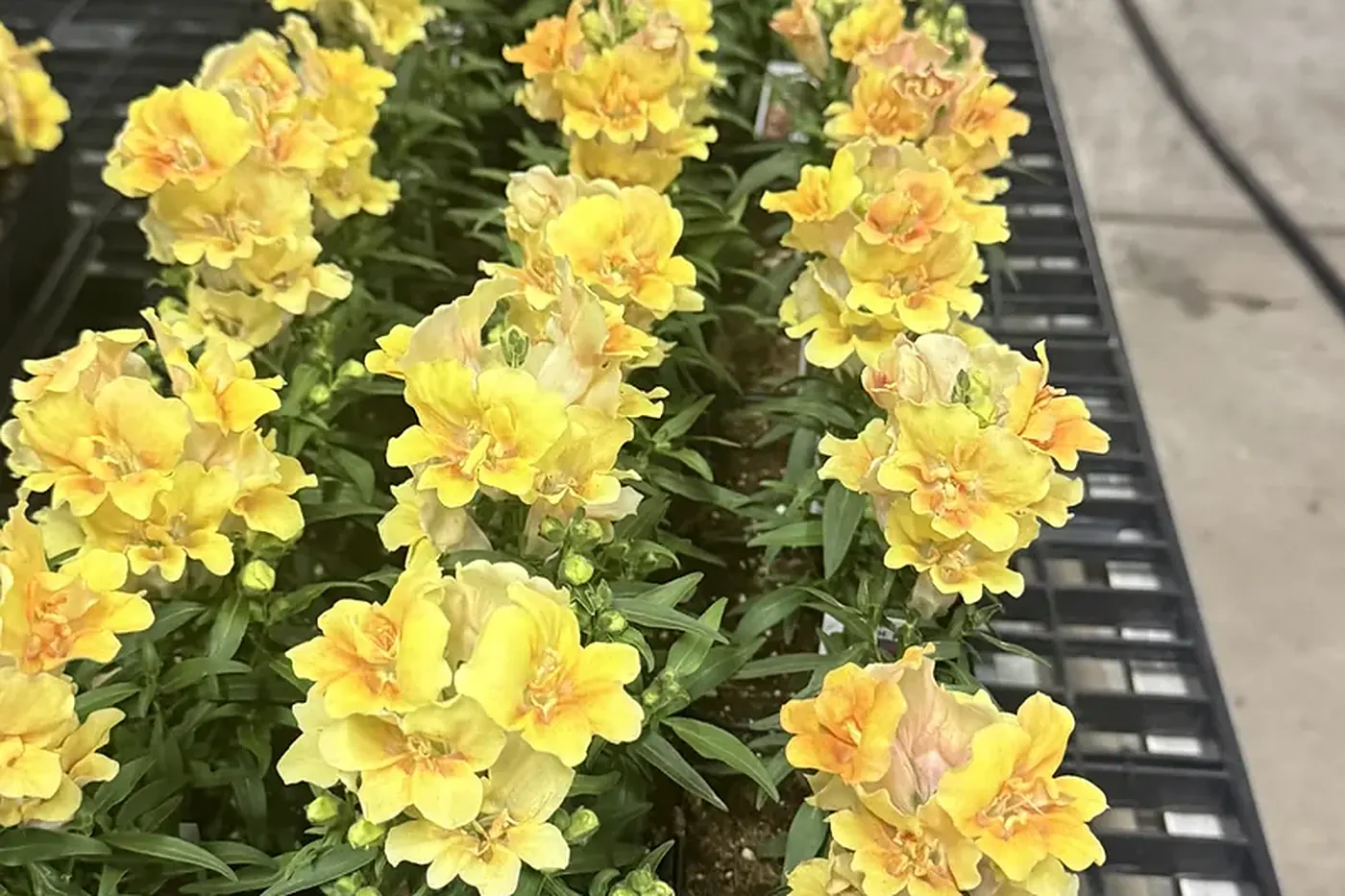
Some annuals are built for a Minnesota April. Pansies, violas, flowering kale and dusty miller take hard frost; snapdragons, stock, dianthus, alyssum, osteospermum, nemesia, diascia and lobelia take a light one. Plant those as soon as the soil is workable — usually mid-April here — and save the impatiens, begonias, coleus, vinca, zinnias and marigolds for Memorial Day weekend.
The average last freeze near East Bethel is around the first of May, and one spring in ten it freezes after May 17 (see our frost-date guide). If you wait for that risk to pass before planting anything, you lose the best six weeks of the cool-season annuals. The trick is knowing which plants to put out early and which to hold.
Three groups: hardy, half-hardy and tender
| Group | Takes | Plant outside | Annuals in this group |
|---|---|---|---|
| HardyHard frost | TakesDown to about 20–25°F once hardened off | Plant outsideMid-April, as soon as soil thaws | Annuals in this groupPansy, viola, flowering kale and cabbage, dusty miller, stock, snapdragon (established plants), calendula |
| Half-hardyLight frost | Takes29–32°F for a night; cover below that | Plant outsideLate April to early May | Annuals in this groupSweet alyssum, dianthus, osteospermum, nemesia, diascia, lobelia, gazania, bacopa, petunia and calibrachoa (barely), geranium (cover) |
| TenderNo frost | TakesNothing below about 40°F | Plant outsideMid-May to Memorial Day | Annuals in this groupImpatiens, SunPatiens, begonia, coleus, vinca, zinnia, marigold, celosia, cosmos, lantana, sweet potato vine, caladium, basil, tomatoes and peppers |
Temperatures are for plants that have been hardened off (a week of nights outside). A plant straight from a warm greenhouse is tender no matter what it is.
The hardy group: plant in April
These are the plants that make a yard look alive while the lawn is still brown. They were bred for cool weather and actually grow better in it. All of them come off our benches in a cool house, so they are hardened off and ready when the doors open in late March.
The half-hardy group: late April, with a sheet handy
These take a light frost but not a freeze. Plant them from the last week of April on, and keep an old bedsheet or a frost blanket near the door. Covering a bed takes two minutes in the evening; replanting it takes a trip to the greenhouse.
The tender group: wait for Memorial Day
Impatiens, begonias, coleus, vinca, zinnias and marigolds are tropical plants with no frost tolerance at all. Worse, they stall in soil below about 55°F even without frost, which is why vinca and zinnias planted on May 10 often look the same on June 10 as ones planted on May 25. Around East Bethel, Memorial Day weekend is the safe bet, and the week after is no loss.
What to do when frost is forecast
- Check the actual forecast low, not the headline. Frost forms at 36°F on a still, clear night; a freeze is 32°F; a hard freeze is 28°F. Hardy annuals ignore all three. Half-hardy ones need cover for a freeze.
- Water in the afternoon. Moist soil holds heat and releases it overnight. Dry soil radiates cold.
- Cover before dark. Sheets, frost cloth, cardboard boxes, even upside-down buckets. Plastic touching leaves does more harm than good. Pull covers off in the morning.
- Move pots. Containers freeze from all sides. A garage or a spot against the house is enough.
- Sign up for the heads-up. Our frost alerts email you on afternoons when frost is forecast for East Bethel, so you are not checking the weather every night in May.
Common questions
Which annuals can survive a frost?
Pansies, violas, snapdragons, stock, dianthus, sweet alyssum, dusty miller, flowering kale and cabbage, osteospermum, nemesia, diascia and lobelia all handle a light frost (29–32°F) once they are hardened off. Pansies, kale and dusty miller take much more than that.
What annuals are worth planting before Memorial Day in Minnesota?
The cool-season crowd: pansies, snapdragons, stock, alyssum, dianthus, osteospermum, nemesia, diascia, dusty miller and calendula. They are at their best in April and May and are often fading by the time the tender annuals go in. Planting them early is the only way to get their full season.
Can petunias take frost?
A light frost, barely. Established petunias usually shrug off 30–32°F for a night, but a hard freeze (28°F and below) damages them, and repeated cold nights stall them for weeks. Plant them in early May if you are willing to cover them; otherwise wait for mid-May.
Which annuals should never see a frost?
Impatiens, begonias, coleus, vinca, zinnias, marigolds, celosia, cosmos, basil, sweet potato vine, lantana and caladium. These are tropical plants; one frost blackens them and even nights in the 40s set them back. Around East Bethel, wait until about Memorial Day.