
Problem solving
How to fix leggy petunias (and keep them full)
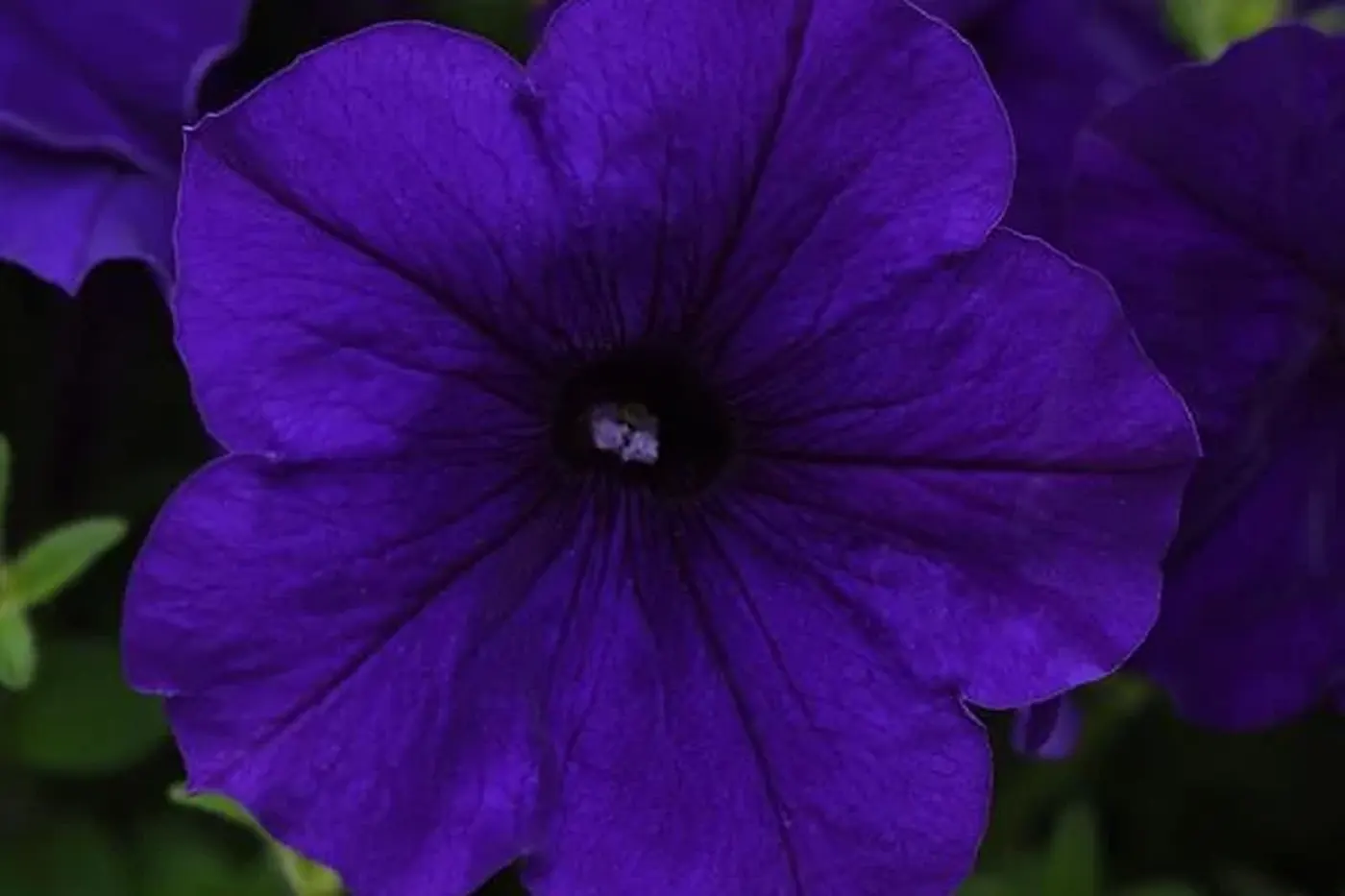
Leggy petunias get fixed with scissors and fertilizer. Cut back a third of the plant each week for three weeks, taking each stem back by about half, and feed after every cut. In two weeks the cut stems branch and bloom. Then keep them from stretching again: six-plus hours of sun, water-soluble feed every week or two, and the mid-season haircut in July before they get long.
By the middle of July every petunia basket in Minnesota wants to turn into a few long, bare stems with a tuft of flowers at the end. It is not something you did wrong; it is what the plant does once the first growth has bloomed out. The fix is quick, and done right the basket looks better in August than it did in June.
Why petunias go leggy
| Cause | What it looks like | Fix |
|---|---|---|
| Not enough sun | What it looks likeLong, thin stems with few flowers from the start; leaning toward the light | FixMove it. Petunias need 6+ hours; on a north porch they will never be full |
| Hunger | What it looks likePale green or yellowish leaves, small flowers, slow growth | FixFeed weekly at half strength; daily watering flushes fertilizer out of containers |
| Age | What it looks likeFine in June, bare in the middle by late July, flowers only at the tips | FixCut back in stages (below) and feed |
| Overcrowding | What it looks likePlants competing, stems reaching outward | FixFewer plants per pot next year: four or five in a 12-inch basket, not eight |
| Seed petunias not pinched | What it looks likeOne tall stem per plant | FixPinch at planting; deadhead through the season |
The three-week cut-back
Cutting a whole basket back by half in one go works, but you look at a bare basket for two weeks. Staggering it keeps flowers on the plant the whole time:
- Week one: a third of the stems. Pick every third stem around the basket and cut it back by half, just above a leaf. Use clean scissors or pruners.
- Feed. A water-soluble fertilizer at full strength, right after cutting, and then weekly at half strength. The new growth needs it.
- Week two: the next third. By now the first stems are showing new side shoots. Cut the next third the same way.
- Week three: the rest. The first cut stems are budding. Cut the last third, and the basket is on its way to a full second half of summer.
- Keep it up. A light trim of the longest stems every two or three weeks from then on stops it ever getting leggy again.
Which petunias need what
| Type | Pinch at planting? | Deadhead? | Mid-season cut-back? |
|---|---|---|---|
| Wave, Easy Waveseed, spreading | Pinch at planting?No | Deadhead?Not needed | Mid-season cut-back?Yes, in July; they rebound fast |
| Supertunia, Crazytunia, other cutting-grown | Pinch at planting?No | Deadhead?No; they drop spent flowers | Mid-season cut-back?Yes, staged over three weeks |
| Grandiflora and multifloraold-style seed petunias | Pinch at planting?Yes | Deadhead?Yes, or they set seed and quit | Mid-season cut-back?Yes, and they need it most |
| Calibrachoamillion bells | Pinch at planting?No | Deadhead?No | Mid-season cut-back?Lighter trim; mostly needs iron and feeding |
Keeping them full for the rest of the season
Petunias are among the hungriest annuals we grow. In the greenhouse they get fertilizer with every watering; at home, a water-soluble feed every week at half strength (or every two weeks at full) is the minimum from June on. Calibrachoa and Supertunia types also want iron, which is why they go yellow in hard well water and alkaline mixes; look for a fertilizer that lists it, and see our well-water guide if your leaves are pale. Water in the morning, soil not flowers, and give them the sunniest spot you have. Those three things prevent most of the legginess in the first place.
Petunias we grow
Common questions
How do I fix leggy petunias?
Cut them back. Trim a third of the stems by half their length this week, another third next week, and the rest the week after, so the plant never goes bare. Feed after each cut. Within two weeks new growth breaks from the cut stems and the plant blooms from the middle again, not just the tips.
Why are my petunias getting long and stringy?
Three usual reasons: not enough sun (petunias want 6 hours or more), not enough food (they are heavy feeders and daily watering washes fertilizer out), and simple age — by midsummer the old stems have bloomed out and the plant only flowers at the tips. Shade makes it worst; a petunia in 4 hours of sun will always stretch.
Should I pinch petunias when I plant them?
Seed-grown petunias in packs, yes: pinch the tip when you plant to force branching. Wave, Supertunia and other vegetative types, no; they branch on their own and pinching just delays bloom. Deadheading matters more for old-fashioned seed petunias than for the modern spreading types, which drop their spent flowers.
Why are my petunias turning yellow?
Usually hunger. Petunias, especially calibrachoa and Supertunia types, run short of iron and nitrogen in containers and go pale yellow between the veins. Feed with a fertilizer that lists iron, every week at half strength. Yellow lower leaves with wet soil is the other cause: too much water.