
Annuals
Best annuals for shade in Minnesota
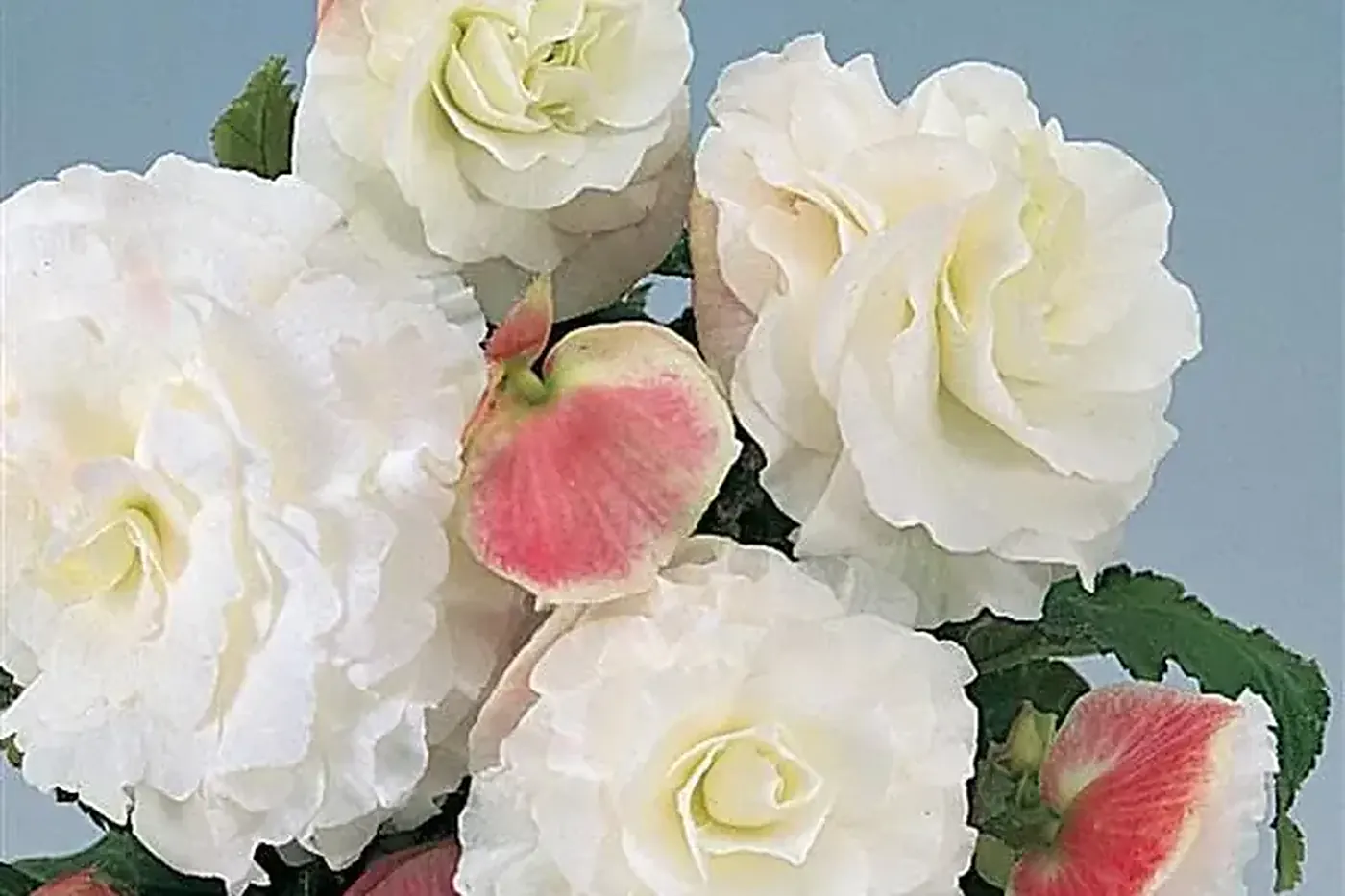
For a shady spot in Minnesota, start with impatiens and begonias — they bloom from May to frost in part or full shade and never need deadheading. Add coleus and caladium for leaves that outshine most flowers, and torenia, fuchsia and lobelia where there is a little morning sun. In the deepest shade, grow for foliage and let the begonias do the blooming.
Most of the annuals people love — petunias, zinnias, marigolds, geraniums — want six hours of sun and go thin and flowerless without it. The north side of a house, under the oaks, between garages: that is where the plants below earn their keep. We grow every one of them chemical-free in East Bethel.
First, figure out how much shade you have
| Shade type | Direct sun | What grows well |
|---|---|---|
| Part shadethe easy kind | Direct sun3–6 hours, ideally morning | What grows wellAlmost anything on this page, plus the sun-shade crossovers: SunPatiens, New Guinea impatiens, Dragon Wing begonias, many coleus |
| Dappled shade | Direct sunMoving light all day under high trees | What grows wellImpatiens, begonias, coleus, torenia, fuchsia, lobelia, caladium |
| Full shadenorth walls, under dense trees | Direct sunUnder 3 hours | What grows wellImpatiens, wax and Rieger begonias, caladium, coleus (Kong types), hypoestes, asparagus fern |
| Dry shadeunder maples and spruces | Direct sunVaries, but the soil is always dry | What grows wellWax begonias and coleus in pots sunk into the ground; water often |
The shade annuals we grow
Which begonia goes where
“Begonia” covers four quite different plants, and the right one depends on the light:
| Begonia type | Light | Good for |
|---|---|---|
| Wax (fibrous) | LightFull shade to sun | Good forEdging and mass planting; small flowers all summer; the toughest |
| Tuberous (Nonstop) | LightPart to full shade, cool | Good forBig double flowers in pots and window boxes on the north side |
| I’Conia / Dragon Wing | LightPart shade to sun | Good forHanging baskets and big containers; arching, flowers nonstop |
| Rieger (Solenia) | LightPart shade, bright | Good forPots and porch planters; rose-like flowers |
Making shade annuals look full
- Plant closer than the tag says. In shade, plants grow slower and stay smaller. Space impatiens and begonias 8 to 10 inches apart instead of 12 for a bed that fills in by July.
- Feed every two to three weeks. Tree roots take most of the nutrients from a shady bed. A balanced liquid feed keeps begonias and impatiens blooming.
- Water the shade bed more than you think. Shade under trees is usually dry shade: the canopy sheds rain and the roots drink what gets through. Check the soil with a finger, not the sky.
- Mix leaves with flowers. Coleus, caladium and polka-dot plant carry a shade bed between flushes of bloom. A ratio of about one foliage plant to two flowering ones looks full all season.
- Pair with shade perennials. Hostas, heuchera, astilbe and ferns give the bones; annuals fill the gaps with color. Our shade perennials guide has the list.
Common questions
What annuals bloom all summer in the shade?
Impatiens and begonias, by a wide margin. Both flower from planting until frost in part to full shade with no deadheading. Torenia (wishbone flower) and fuchsia bloom all summer in part shade; coleus and caladium give color all summer without flowers.
Can I grow impatiens in Minnesota again?
Yes. Downy mildew wiped out old-style impatiens for several years, but the Beacon and Imara series were bred to resist it and have held up in Minnesota gardens. We grow Beacon in several colors, started from seed on our own benches.
What is the difference between part shade and full shade?
Part shade is 3 to 6 hours of direct sun, or bright dappled light all day under high trees. Full shade is less than 3 hours of sun. Morning sun with afternoon shade counts as part shade and is the best shade there is; afternoon-only sun is hotter and harder on shade plants.
What annuals grow under a maple tree?
Dry shade under a shallow-rooted maple is the hardest spot in the yard. Impatiens and wax begonias cope if you water, because the tree takes most of the rain. Coleus and caladium handle it too. Plant in pots sunk among the roots if the soil is solid roots, and water every few days.