
Home › Guides › Edible flowers & herbs
Veggies & herbs
Edible flowers & how to use our herbs
A lot of what we grow is good to eat — not just the basil and chives, but pansies, rose petals, squash blossoms and bee balm. Here’s what’s safe, what it tastes like, and what to do with it, plus the plants to keep off the plate.
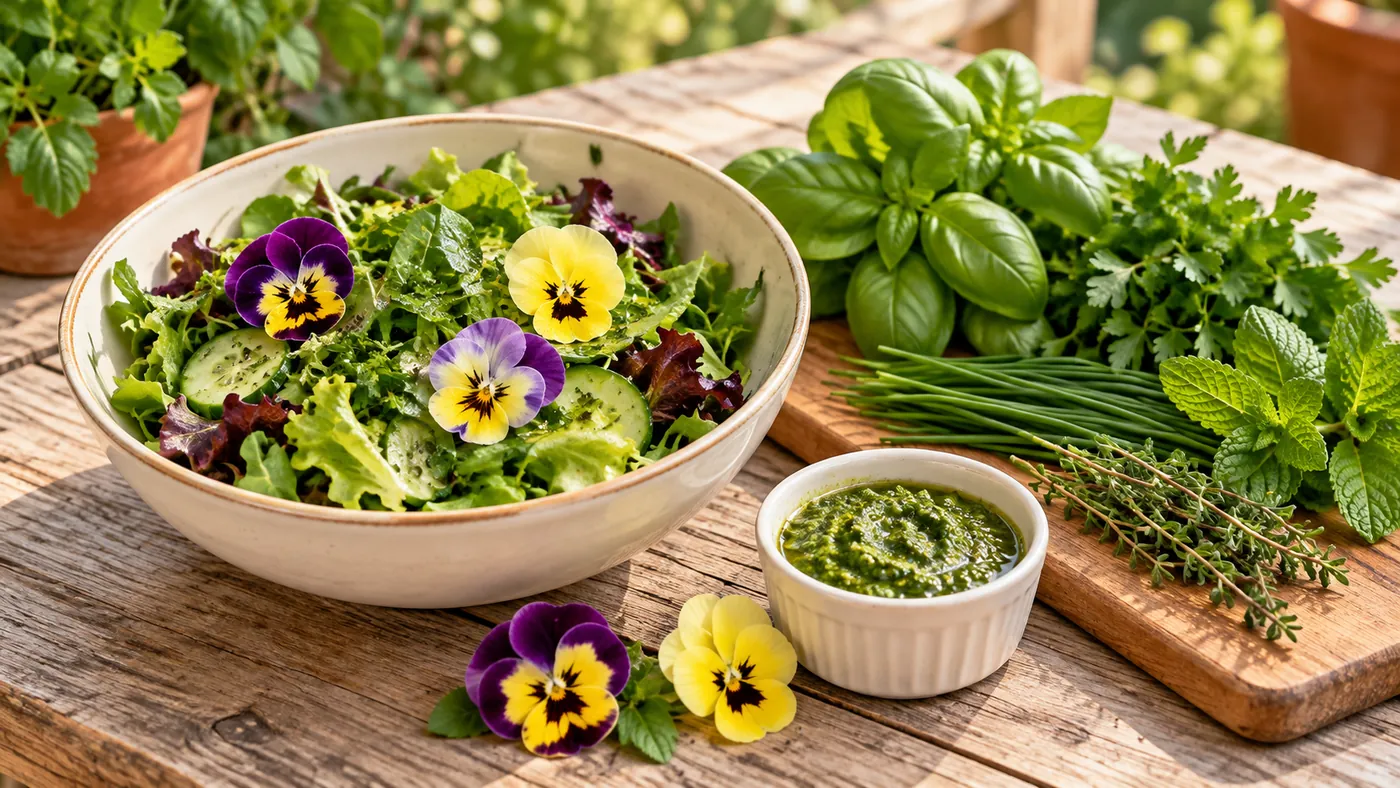
Before you eat any flower
- Know exactly what it is. Go by the plant’s real name — common names mix up safe and poisonous plants.
- Only eat flowers grown without pesticides. Never florist, roadside or unknown flowers. We grow without chemical pesticides, but ask wherever you buy.
- Petals, usually. Pull off stamens, pistils and the bitter white base of petals. Pollen can bother people with allergies or asthma.
- Start small. Try one new flower at a time, a little at first. Edible doesn’t always mean tasty.
- Pick in the cool of the morning. Rinse gently and keep them in the fridge between damp paper towels.
From our benches
Edible flowers we grow
We only list flowers that university extension services call edible. Our marigolds and lavender aren’t here on purpose: signet marigolds and English lavender are the kitchen types, and the marigolds and Spanish lavender we grow are for looks.

Pansies
- Eat
- Whole flower
- Tastes
- Mild, grassy, a little sweet
- Try it
- Salads, cake tops, frozen in ice cubes

Snapdragons
- Eat
- Petals
- Tastes
- Leafy, slightly bitter
- Try it
- A colorful garnish more than a flavor

Dianthus (pinks)
- Eat
- Petals
- Tastes
- Sweet and clove-like
- Try it
- Fruit salad, lemonade, sorbet, cake

Tuberous begonias
- Eat
- Petals
- Tastes
- Tangy, lemony
- Try it
- A few petals on a salad

Dahlias
- Eat
- Petals
- Tastes
- Mild, like water chestnut
- Try it
- Salads, garnish, baked goods
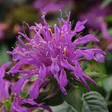
Bee balm
- Eat
- Flowers and petals
- Tastes
- Minty, citrusy, like Earl Grey tea
- Try it
- Tea, salads, garnish
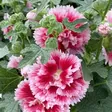
Hollyhocks
- Eat
- Petals or the whole flower
- Tastes
- Very mild
- Try it
- A pretty garnish, or a big bloom as a little dip bowl
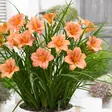
Daylilies
- Eat
- Petals and unopened buds
- Tastes
- Buds taste like green beans; petals mild and sweet
- Try it
- Stir-fry or tempura the buds, petals in salads
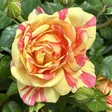
Roses
- Eat
- Petals
- Tastes
- Perfumed and sweet
- Try it
- Syrup, jam, tea, ice cream
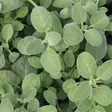
Pineapple sage & garden sage
- Eat
- Flowers
- Tastes
- Pineapple sage fruity; garden sage mild sage
- Try it
- Salads, desserts, tea, pasta
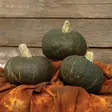
Squash blossoms
- Eat
- Whole blossom
- Tastes
- Like mild raw squash
- Try it
- Stuff with cheese and fry
Chive blossoms
- Eat
- Florets
- Tastes
- Oniony and strong
- Try it
- Pull apart over potatoes, eggs, salads; steep in vinegar for a pink vinegar
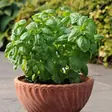
Basil flowers
- Eat
- Flowers
- Tastes
- Basil, but milder
- Try it
- Sprinkle on pasta and tomatoes
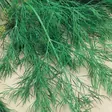
Dill flowers
- Eat
- Flower heads
- Tastes
- Stronger than the leaves
- Try it
- Pickles, dips, fish
Cilantro flowers
- Eat
- Flowers
- Tastes
- Milder than the leaves, a little citrusy
- Try it
- Tacos, soups, salads
Thyme flowers
- Eat
- Flowers
- Tastes
- Mild thyme
- Try it
- Salads, garnish, herb vinegar
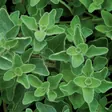
Oregano & marjoram flowers
- Eat
- Flowers
- Tastes
- Like the leaves, a bit milder
- Try it
- Pizza, pasta, salads
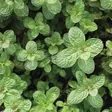
Mint flowers
- Eat
- Flowers
- Tastes
- Softly minty
- Try it
- Tea, fruit salad, drinks
Fennel flowers
- Eat
- Flowers
- Tastes
- Sweet anise
- Try it
- Fish, salads, roasted vegetables
Arugula flowers
- Eat
- Flowers
- Tastes
- Nutty and peppery
- Try it
- A few on a salad
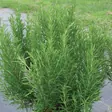
Rosemary flowers
- Eat
- Flowers
- Tastes
- Milder than the leaves
- Try it
- Sprinkled raw on salads or pasta
Pretty, but not for eating
These are on the extension services’ poisonous or not-edible lists. Some are seriously toxic. Keep them out of salads, and out of reach of kids and pets — check the pet mark on each plant’s page.
Herbs
Cooking with the herbs we grow
Herbs taste best picked often and young. Most lose flavor once they flower, so keep pinching. Air-drying in small bundles somewhere warm, dark and airy works for the sturdy ones; freeze the soft ones.
| Herb | Tastes | Cook with | Picking | Keeping |
|---|---|---|---|---|
| Basil | Sweet, clove-like; lemon, Thai and cinnamon types differ | Pesto, tomatoes, caprese; Thai basil in stir-fries and curries | Cut just above a pair of leaves and pinch off flowers. Frost kills it. | Freeze leaves, in ice cubes or oil. Best fresh. |
| Chives | Mild onion | Potatoes, eggs, dips, soups | Snip leaves at the base; cut off spent flower stalks. | Freeze chopped — no need to thaw. |
| Cilantro | Bright and citrusy; the seeds (coriander) warm and spicy | Salsa, tacos, curries | Cut leaves at about 6″. It bolts in heat, so replant every few weeks. | Best fresh. Freeze in ice cubes; dry the seed. |
| Culantro | Like cilantro, only stronger | Sofrito, Caribbean and Latin stews; chop fine | Pick the oldest outer leaves; it loves summer heat. | Doesn’t keep well — pick what you need. |
| Dill | Grassy and lemony with a hint of anise | Pickles, fish, potato salad, dips | Pick leaves until it flowers; cut seed heads as they turn tan. | Freeze the leaves (drying loses flavor). Dry the seed. |
| Fennel | Licorice-anise | Fish, salads, sauces; seed in bread and sausage | Pick fronds anytime; collect seed as it ripens. | Fronds best fresh or frozen; dry the seed. |
| Lemon grass | Lemony with a touch of ginger | Thai soups and curries, tea, seafood | Cut stalks at the base once they’re about ½″ thick, before frost. | Smash, simmer, then fish it out. |
| Marjoram | Sweeter, milder oregano | Meats, soups, tomato dishes, herb butter | Harvest when the little knot-like buds form. | Hang to dry; keeps about a year. |
| Mint | Cool menthol — spearmint mild, peppermint strong | Tea, mojitos, fruit salad, sauces | Pick often before it blooms. Give it its own pot — it spreads. | Dry or freeze the leaves. |
| Oregano | Pungent and peppery | Pizza, pasta sauce, meats, soups | Cut before it flowers for the best flavor. | Hang to dry; dried oregano is great. |
| Parsley | Fresh and peppery; flat-leaf is stronger | Soups, salads, chimichurri, garnish | Snip outer stems near the ground. Takes a light frost. | Best fresh; freeze or dry the rest. |
| Rosemary | Piney and strong | Roast chicken and potatoes, bread, eggs | Cut tender tips anytime. Bring it inside for winter — it won’t survive outdoors here. | Hang to dry or freeze on the stem. |
| Sage | Earthy, piney, a little sweet | Poultry, stuffing, sausage, brown butter | Cut leaves all season. | Air-dries easily in bundles. |
| Shallots | Sweet onion with a touch of garlic | Vinaigrettes, sauces, roasting | Lift bulbs when tops yellow and fall over; cure 1–2 weeks somewhere warm and dry. | Mesh bag, cool and dry: 6 months or more. |
| Sorrel | Sour and lemony | Soups, sauces, fish, salads | Pick young leaves spring to frost; snip off seed stalks. | Best fresh; freezes well. High in oxalic acid — go easy if you’ve been told to limit it. |
| Thyme | Earthy and a little sweet | Soups, stews, chicken, roasted vegetables | Cut the top few inches just before it flowers. | Dries easily; keeps about a year. |
Citronella “mosquito plant” isn’t a kitchen herb. It’s a scented geranium (and it’s toxic to cats and dogs). For lemon flavor, grow lemon grass.
Sources: Colorado State University Extension, University of Minnesota Extension, University of Alaska Fairbanks, NC State Extension and the ASPCA. When in doubt, don’t eat it — and ask us, at (763) 742-8774.