
Veggies & herbs
Best vegetables to grow in containers in Minnesota
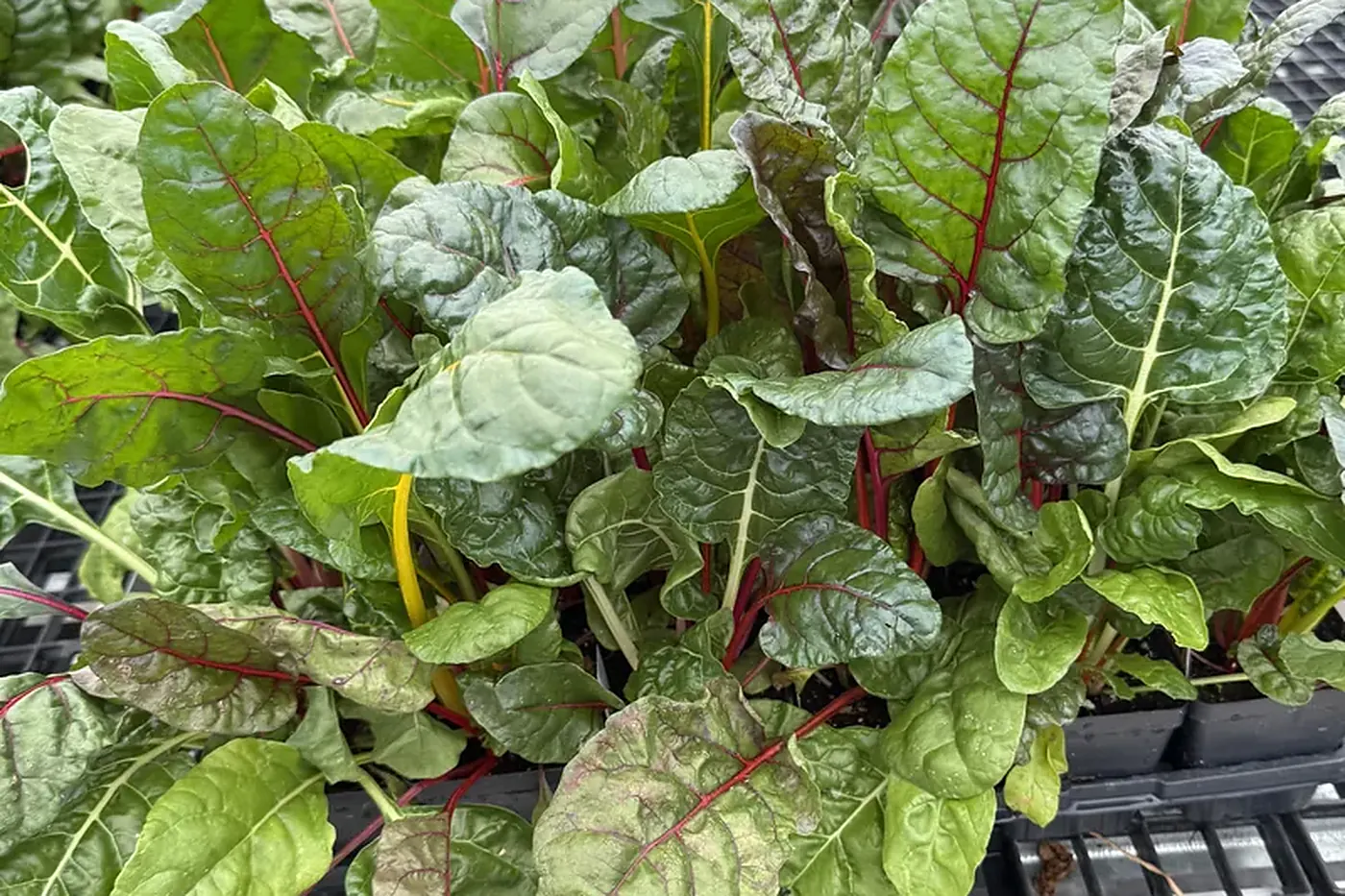
The best container vegetables for a Minnesota deck are cherry and patio tomatoes, peppers, lettuce and salad greens, bush beans, cucumbers on a trellis, Swiss chard and herbs. Give them the biggest pot you can (5 gallons for a tomato), real potting mix, 6 to 8 hours of sun, water every day in summer and a feed every two weeks. Greens go out in April; tomatoes, peppers and cucumbers wait for Memorial Day.
You do not need a garden to grow dinner in Minnesota. A few big pots on a sunny deck, balcony or driveway edge will produce tomatoes from July to frost, salad from May on, and more peppers than most families can eat. Containers also warm up faster than the ground in spring and can be moved out of a cold snap, which is a real advantage here.
What grows well in pots, and how big a pot
| Vegetable | Pot size | Plants per pot | Notes |
|---|---|---|---|
| Tomatoes, patio and cherry | Pot size5 gal (14”) or more | Plants per pot1 | NotesPatio, Bush Early Girl and Candyland Red are bred for pots; Sungold and Sunsugar want 10 gal and a tall cage |
| Tomatoes, full-size slicers | Pot size10–15 gal | Plants per pot1 | NotesBig Beef, Jet Star and Cherokee Purple will do it, but they need the big pot and daily water |
| Peppers | Pot size3–5 gal | Plants per pot1 | NotesLunchbox, jalapeño, banana and the Kitchen Minis types are the best croppers in pots |
| Lettuce and salad greens | Pot size8” deep bowl or window box | Plants per pot6–10 | NotesCut-and-come-again; replant every 3–4 weeks; afternoon shade in July |
| Spinach, arugula | Pot size8” deep | Plants per pot6–8 | NotesSpring and fall; bolts in summer heat |
| Swiss chard, kale | Pot size3 gal | Plants per pot2–3 | NotesHandsome enough for the front step; chard goes all season |
| Cucumbers | Pot size5 gal + trellis | Plants per pot1–2 | NotesPatio Snacker and Quick Snack stay compact; vining types climb a tomato cage |
| Bush beans | Pot size3–5 gal | Plants per pot4–6 | NotesSow seed directly in the pot in early June; pick every other day |
| Zucchini | Pot size10 gal | Plants per pot1 | NotesBush types only; it still gets big |
| Basil and other herbs | Pot size1–3 gal | Plants per pot1–3 | NotesBasil, parsley, cilantro, chives, thyme, rosemary all thrive in pots by the kitchen door |
Pot sizes are minimums. A bigger pot holds more water, which is the whole game in July.
Setting up a container that produces
- Pick the sunniest spot. Fruiting vegetables (tomatoes, peppers, cucumbers, beans) need 6 to 8 hours of direct sun. Greens and herbs manage on 4 to 5, and lettuce prefers some afternoon shade in summer.
- Use a big pot with drain holes. Plastic, glazed ceramic, fabric grow bags and 5-gallon buckets with holes drilled all work. Terra cotta dries out fastest. Put a saucer under anything on a wood deck.
- Fill with potting mix, not soil. Bagged potting mix, filled to an inch below the rim. Mix in a slow-release fertilizer at planting; it carries the plant for the first six weeks.
- Plant and stake at the same time. Put the cage or stake in when the tomato is small, not after it has fallen over. Set tomatoes deep, up to the first leaves; they root along the buried stem.
- Water every day in summer. A 5-gallon tomato pot in July wants a gallon of water a day, more on 90°F days. Water until it runs out the bottom, in the morning. Uneven watering is what causes blossom-end rot and split tomatoes.
- Feed every two weeks. Daily watering washes nutrients out. A water-soluble vegetable fertilizer every two weeks from mid-June keeps peppers and tomatoes setting fruit.
The container calendar for the north metro
| When | Plant | Where |
|---|---|---|
| Mid-April | PlantLettuce bowls, spinach, arugula, chard, kale, parsley, chives | WhereOutside; they take frost |
| Early May | PlantEverything above, second round of lettuce | WhereOutside |
| Mid-May | PlantTomatoes, peppers, cucumbers in pots, if you can move them in on cold nights | WhereDeck, with the garage as backup |
| Memorial Day | PlantTomatoes, peppers, cucumbers, zucchini, bush beans (seed), basil | WhereOutside for good |
| Late August | PlantLettuce, spinach, arugula, radishes for fall | WhereOutside; they go until November |
Vegetable and herb starts we grow
All our vegetable starts are grown from seed in East Bethel without synthetic pesticides: beneficial insects handle the pests, with OMRI-listed oils when a crop needs more help. Tap through for this year’s varieties:
Common questions
What are the easiest vegetables to grow in containers?
Lettuce and salad greens, cherry tomatoes, peppers, bush beans, Swiss chard and herbs. All of them produce in a pot on a sunny deck with daily water and a feed every two weeks. Lettuce is the quickest: cut leaves four weeks after planting and again two weeks later.
How big a pot does a tomato need?
At least 5 gallons (about 14 inches across) for a patio or determinate tomato, and 10 gallons or more for an indeterminate type like Sungold or Big Beef. Smaller than that and the plant dries out twice a day and drops its blossoms. Bigger is always better for tomatoes.
Can I use garden soil in pots?
No. Garden soil packs down, drains badly and brings in weeds and disease. Use a bagged potting mix; it is mostly peat and bark, stays light, and holds water without going soggy. Our potting mix guide explains the difference.
When can I put vegetable containers outside in Minnesota?
Lettuce, spinach, chard, kale and cole crops from mid-April; they take frost. Tomatoes, peppers, cucumbers, squash and basil after the last frost risk, around Memorial Day in the north metro, and they can be moved into the garage on a cold night in late May.